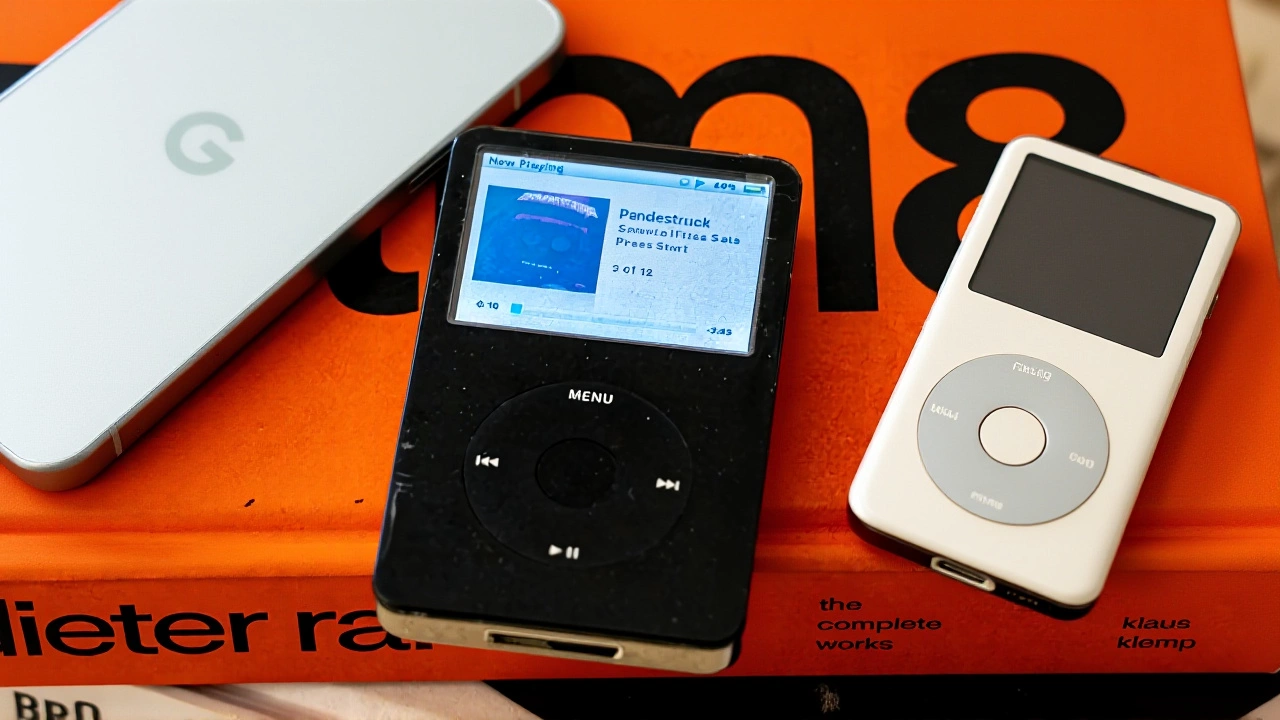
There’s a persistent rumor circulating tech circles about a specific Android app that supposedly transforms your smartphone into a nostalgic replica of the Apple iPod Classic. You know the one—the click wheel, the scrollable menu, the sheer simplicity of it all. But here’s the thing: after digging through authoritative sources like Computerworld, Android Police, and hardware guides on Instructables, there is no evidence such an app exists in the way people are describing it.
Instead of a direct clone, what we’re actually seeing is a broader cultural shift toward digital minimalism. Users aren’t just looking for a retro UI; they’re desperate to escape the notification overload of modern smartphones. The search for this mythical "iPod app" often leads developers and users down a rabbit hole of minimalist launchers, DIY robotics projects, and AI-driven simplification tools. It turns out the desire for an iPod-like experience is real, but the solution isn’t a single download—it’s a lifestyle change.
The Myth of the Click Wheel Clone
If you’ve been searching for an app that mimics the iconic iPod Classic interface, you might have hit a dead end. Why? Because copyright restrictions make exact replicas risky for developers. Apple protects its design language fiercely. However, the *spirit* of the iPod—simple navigation, focused media consumption—is alive and well in other forms.
Many users confuse general music player customization with a full system overhaul. While you can theme your music app to look vintage, getting that tactile, wheel-based navigation feel on a touchscreen requires more than just a skin. It requires a fundamental change in how the operating system handles input. This is where the confusion lies. People want the *feeling* of the iPod, not just the look.
What People Are Actually Finding Instead
When journalists and tech enthusiasts dig into this trend, they usually stumble upon three distinct categories of solutions that address the underlying desire for simplicity:
- Digital Detox Launchers: Apps like OLauncher and Niagara Launcher strip away the clutter of the standard Android home screen. They present apps as simple lists or icons without widgets, notifications, or distractions. It’s the closest software equivalent to the iPod’s single-purpose focus.
- Hardware Hacks: Some users take it further by physically modifying their phones. A popular project on Instructables called "PhoneBOT" uses servos and headphones to turn an old Android phone into a robot. While not an iPod, it highlights the same DIY ethos: repurposing existing technology for a simpler, more tangible interaction.
- Minimalist Devices: The rise of devices like the Light Phone shows that some users prefer dedicated hardware over apps. These devices offer basic calling and messaging without social media feeds, mirroring the limited functionality of early MP3 players.
The Role of AI in Simplifying Android
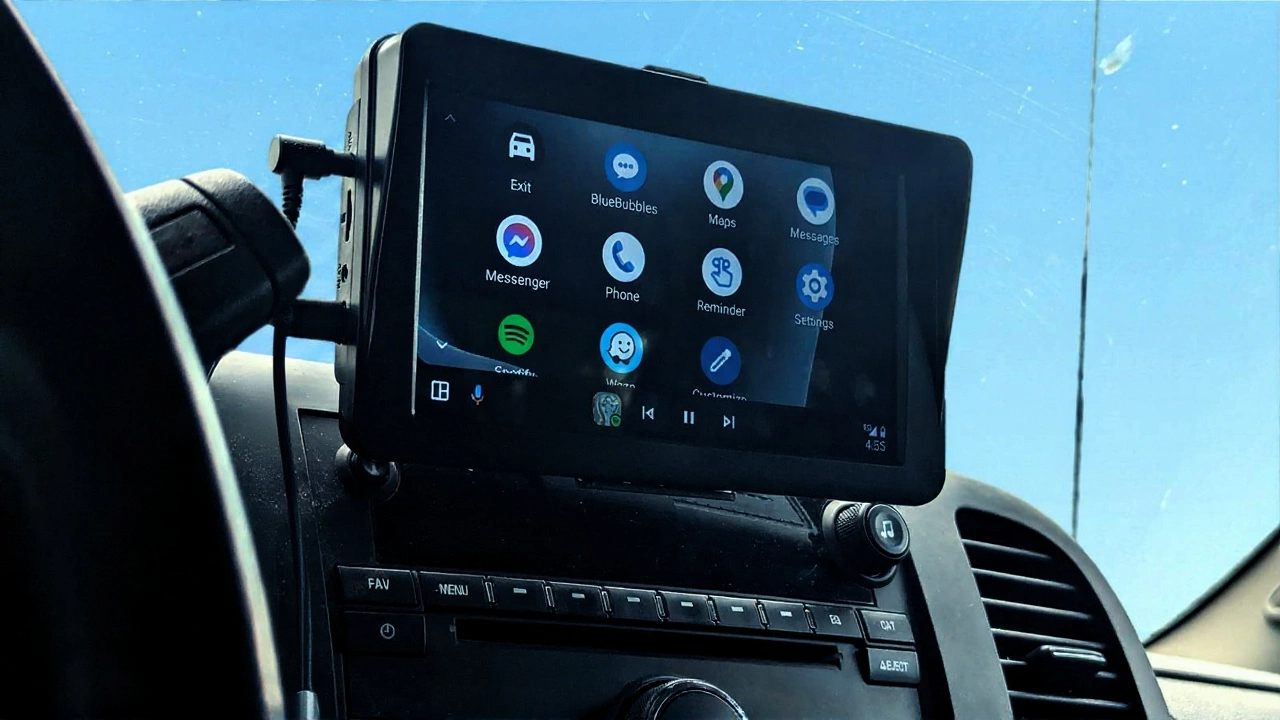
Interestingly, the latest updates to Android include artificial intelligence features designed to reduce cognitive load. Features like Circle to Search and the Gemini assistant aim to handle complex tasks quickly. While this seems opposite to the "dumb phone" aesthetic, the goal is similar: efficiency. If AI can summarize emails or find information instantly, users spend less time scrolling and more time doing.
However, for those who truly miss the pre-smartphone era, AI feels like too much magic. They want control. They want to press a button and get a result, not train an algorithm. This tension between automation and simplicity is driving the demand for iPod-like interfaces.
Why This Trend Matters Now
We are living in an era of attention economy fatigue. The average person checks their phone dozens of times a day, often mindlessly. The iPod represented a different relationship with technology: intentional. You put on your headphones, you chose your playlist, and you listened. There were no ads, no infinite scrolls, no dopamine hits from likes.
The lack of a perfect "iPod Classic" app reflects a deeper issue in the mobile industry. Operating systems are becoming more powerful but also more intrusive. Users are seeking refuge in simplicity, whether through minimalist launchers, grayscale modes, or even switching to e-ink displays. The fact that no single app has dominated this space suggests that the solution is highly personal. What works for one user—a list-only launcher—might frustrate another who needs quick access to widgets.
What’s Next for Retro Tech Fans?
While a direct iPod clone remains elusive due to legal and technical hurdles, we may see more niche apps emerging that prioritize "focus modes." Imagine a music player that locks your phone until the song ends, or a browser that only allows text-based sites. These features capture the essence of the iPod experience without infringing on trademarks.
For now, if you’re chasing that nostalgia, your best bet is a combination of a minimalist launcher like Niagara Launcher, a strict do-not-disturb schedule, and perhaps a pair of high-quality wired headphones. It won’t have a click wheel, but it might give you back something more valuable: your attention.
Frequently Asked Questions
Is there an official iPod Classic app for Android?
No, Apple does not produce an official iPod Classic simulation app for Android. Due to trademark and design patent protections, third-party developers cannot create exact replicas of the iPod interface. However, many music players allow for custom themes that mimic the visual style.
Which Android launcher is best for an iPod-like experience?
Niagara Launcher and OLauncher are top choices. They remove clutter and present apps in a clean, list-based format. This reduces visual noise and encourages mindful usage, similar to the focused nature of the original iPod.
Can I turn my Android phone into a dumb phone?
Yes, by using minimalist launchers, enabling grayscale mode, and disabling unnecessary notifications. Some users also use apps like Freedom to block distracting websites. For a hardware solution, consider devices like the Light Phone, which are built specifically for minimalism.
Why do people want an iPod-style interface on their phones?
Users seek the iPod interface because it represents simplicity and intentionality. Modern smartphones are overloaded with notifications and apps, leading to digital fatigue. The iPod’s design encouraged focused listening without distraction, a feature many users miss in today’s always-connected world.
Are there any risks in downloading unofficial iPod-themed apps?
Yes, unofficial apps claiming to be iPod clones may contain malware or excessive ads. Since Apple does not license its design, these apps operate in a legal gray area. It is safer to use reputable minimalist launchers from the Google Play Store that respect user privacy and security standards.